
Rational unified process
Rational Unified Process (RUP) एक structured, iterative, और use-case driven software development methodology है, जिसे Rational Software Corporation ने develop किया।
इसका main goal है, complex software systems को systematically design, develop और deliver करना।
Table of Contents
ToggleKey Points
- Software छोटे-छोटे iterations में develop होता है।
- Users की real requirements को core में रखा जाता है।
- Strong और stable software architecture पर focus किया जाता है |
- High-risk components को पहले address किया जाता है।
History of Rational Unified Process (RUP का इतिहास)
- 1980s – The Beginning of the Unified Process (UP)
- 1980s में software engineering में structured और object-oriented methods popular थे।
- Grady Booch, Ivar Jacobson और James Rumbaugh ने मिलकर Unified Modeling Language (UML) और Unified Process (UP) की foundations तैयार की।
- इसका उद्देश्य था कि complex software systems को standard और systematic तरीके से develop किया जाए।
- 1990s – Rational Software Refines the UP
- 1990s में Rational Software Corporation ने Unified Process को refine किया और इसे Rational Unified Process (RUP) के रूप में standardize किया।
- यह methodology iterative, use-case driven और architecture-centric थी।
- IBM ने बाद में Rational Software को acquire किया और इसे IBM Rational Unified Process के नाम से popular किया।
- 2000s – IBM Rational Unified Process
- 2000s में RUP बड़े enterprises और government projects (जैसे ERP, Banking, IRCTC) में widely use होने लगा।
- इस period में RUP ने risk management, quality assurance और iterative development में नई approaches को popular किया।
- Modern Usage
- अब RUP conceptually Agile और iterative approaches के साथ compatible है।
- Modern software projects में इसे UML, iterative design और risk-focused strategies के लिए reference के रूप में देखा जाता है।
- Large-scale software projects जैसे E-commerce, ERP, ISRO internal software में RUP की principles अभी भी apply होती हैं।
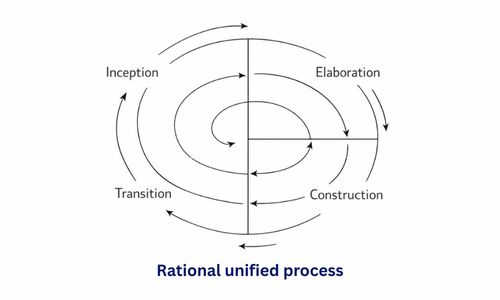
Four Phases of RUP (RUP के चार मुख्य Phases)
Rational Unified Process (RUP) में software development lifecycle को चार मुख्य phases में divide किया गया है। हर phase का अपना उद्देश्य और output होता है। ये phases iterative होते हैं, मतलब हर phase में feedback, refinement और improvements possible हैं।
| Phase | Definition | Key Points | Output / Deliverables |
|---|---|---|---|
| 1. Inception | इस phase में project की feasibility, scope और objectives तय किए जाते हैं। | – Project vision और objectives define करना – High-level requirements collect करना – Rough cost और schedule estimate करना – Stakeholders से approval लेना | – Vision Document – Initial use-cases – Project Scope |
| 2. Elaboration | इस phase में project की detailed requirements और architecture तैयार की जाती है। | – Detailed use-cases define करना – Software architecture design करना – Risks identify करना और mitigation plan बनाना – Detailed schedule और resources plan करना | – Software Architecture Document – Risk List – Updated Project Plan |
| 3. Construction | इस phase में actual coding, unit testing और integration होती है। | – Code development करना – Unit और integration testing करना – Documentation prepare करना – Iterative build deliver करना | – Tested software modules – User manuals – Iterative builds ready for deployment |
| 4. Transition | इस phase में software users तक पहुँचता है और deployed होता है। | – User training करना – Beta testing करना – Bug fixing & final release – User feedback लेना | – Final software release – Training material – Support & maintenance plan |
Advantages (लाभ)
- Iterative Development
- Software छोटे iterations में develop होता है।
- Bugs early detect होते हैं।
- Strong Architecture Focus
- Software scalable और maintainable बनता है।
- Future changes आसान होते हैं।
- Risk Management
- High-risk items पहले handle होते हैं।
- Budget और deadlines सुरक्षित रहते हैं।
- User Feedback Integration
- Use-case driven approach user requirements पर focus करता है।
- Software end-user के expectation के अनुसार बनता है।
- Quality Assurance
- Continuous testing और review से high-quality software मिलता है।
- Defects कम होते हैं।
- Documentation & Standardization
- Proper documentation project team के लिए helpful होती है।
- Project knowledge transfer आसान होता है।
Disadvantages (हानियाँ)
- Heavyweight Process
- बहुत documentation और process steps होते हैं।
- छोटे projects में overkill हो सकता है।
- Costly Implementation
- Tools (Rational Rose, ClearCase, ClearQuest) expensive होते हैं।
- Skilled team की जरूरत होती है।
- Complexity
- Large teams में coordination मुश्किल हो सकता है।
- New developers के लिए process सीखना time-consuming हो सकता है।
- Rigid Structure
- Standard procedures follow करना जरूरी है।
- Flexibility कम हो सकती है, अगर small project या startup project हो।
- Time-Consuming
- सभी phases और iterations complete करने में समय लगता है।
Agile Processes
Agile Processes एक iterative and incremental approach है, software development और project management के लिए। इसमें project को छोटे छोटे iterations/sprints में develop किया जाता है और हर iteration के बाद working product deliver होता है।
यह traditional methods (जैसे Waterfall) की तुलना में ज़्यादा adaptive, flexible, fast feedback oriented, और customer‑centric होता है।
Key Points
- Project को छोटे भागों (iterations/sprints) में develop किया जाता है।
- हर iteration के बाद software का working version deliver होता है।
- Stakeholders और customers के feedback को हर step में शामिल किया जाता है।
- Requirements में बदलाव आसानी से accept किया जा सकता है।
- Team और customer feedback के आधार पर software में improvements होते हैं।
- Team members की communication और interaction को ज्यादा महत्व दिया जाता है।
- Early testing और feedback से risk कम होता है।
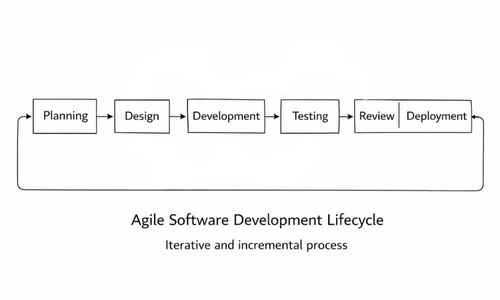
Agile Principles (Agile के मूल सिद्धांत)
Agile methodology 12 principles पर आधारित है, जो Agile Manifesto में define किए गए हैं। इसे follow करके teams fast, flexible और customer-centric software deliver कर सकती हैं।
- Customer Satisfaction through Early and Continuous Delivery
- Welcome Changing Requirements
- Deliver Working Software Frequently
- Business and Developers Must Work Together
- Build Projects Around Motivated Individuals
- Face-to-Face Communication is Best
- Working Software is the Primary Measure of Progress
- Sustainable Development
- Continuous Attention to Technical Excellence
- Simplicity is Essential
- Self-Organizing Teams
- Regular Reflection and Improvement
Agile Lifecycle (Processes Step‑by‑Step)
- Concept / Idea Phase
- इस phase में project का basic idea और vision clear किया जाता है।
- Customer की primary requirements identify की जाती हैं।
- Feasibility (technical + business) check होती है।
- Inception Phase
- Project scope define किया जाता है।
- Product Backlog तैयार किया जाता है।
- Team members और resources decide होते हैं।
- Iteration / Sprint Phase
- Agile lifecycle का सबसे important phase है।
- Development को short sprints (2–4 weeks) में divide किया जाता है।
- Coding, testing और integration parallel चलते हैं।
- हर sprint के end में working increment deliver होता है।
- Release Phase
- Developed features को final testing के बाद users के लिए release किया जाता है।
- Bugs fix किए जाते हैं और performance optimize होती है।
- Maintenance Phase
- Released software की monitoring की जाती है।
- User feedback के आधार पर improvements और bug fixes।
- New requirements को next sprint में add किया जाता है।
- Retirement Phase
- Data migration और documentation finalize होती है।
Advantages (लाभ)
- Fast and Frequent Delivery of Software
- Agile में software को short iterations / sprints में deliver किया जाता है।
- हर sprint के बाद working software मिलता है।
- इससे customer को जल्दी result दिखता है।
- Easy to Handle Changing Requirements
- Agile में changing requirements welcome की जाती हैं।
- Market demand या user need बदलने पर आसानी से changes किए जा सकते हैं।
- High Customer Satisfaction
- Customer को development के हर stage में involve किया जाता है।
- Continuous feedback से final product customer की need के अनुसार बनता है।
- Better Communication and Team Collaboration
- Agile teamwork और communication पर focus करता है।
- Daily stand-up meetings, sprint reviews team coordination improve करते हैं।
- इससे misunderstandings कम होती हैं।
- Early Detection of Errors and Bugs
- Agile में testing और development parallel चलते हैं।
- Bugs early stage में detect हो जाते हैं।
- इससे project risk और cost दोनों कम हो जाते हैं।
- Flexibility and Adaptability
- Agile plans rigid नहीं होते।
- Business needs और technology change होने पर project आसानी से adapt कर सकता है।
Disadvantages (हानियाँ)
- Difficult to Predict Time and Cost
- Agile में requirements continuously change होती रहती हैं।
- Exact cost, effort और schedule predict करना difficult हो जाता है।
- Less Emphasis on Documentation
- Agile में documentation limited रखी जाती है।
- New team members के लिए system समझना tough हो सकता है।
- Requires Skilled and Experienced Team
- Agile self-organizing teams पर depend करता है।
- Inexperienced team Agile process को effectively follow नहीं कर पाती।
- Not Suitable for Large or Fixed-Scope Projects
- जहाँ requirements clear और fixed हों, वहाँ Agile less effective होता है।
- Government, defense या highly regulated projects में problems आ सकती हैं।
- High Customer Involvement Needed
- Agile में continuous customer involvement जरूरी होता है।
- हर client इतना time और availability नहीं दे पाता।
- Risk of Scope Creep
- Frequent requirement changes से scope control difficult हो जाता है।
- Project unnecessarily बड़ा और complex बन सकता है।