
What is Pipelining? (Pipelining क्या है?)
Pipelining Computer Architecture की एक important technique है, जिसका उपयोग CPU की processing speed और performance बढ़ाने के लिए किया जाता है। इस technique में instruction execution process को कई छोटे–छोटे stages में divide कर दिया जाता है, और हर stage अलग-अलग instruction पर एक साथ काम करती है।
Table of Contents
Toggleयह technique मुख्य रूप से Instruction Level Parallelism (ILP) को implement करती है।
Key Points
- Pipelining CPU performance बढ़ाने की technique है।
- इसमें instruction execution process को कई stages में divide किया जाता है।
- Multiple instructions simultaneously (एक साथ) process हो सकती हैं।
- यह technique parallel processing concept पर आधारित होती है।
- CPU throughput और efficiency बढ़ती है।
- Modern processors जैसे Intel, AMD, ARM processors में pipelining का उपयोग किया जाता है।
- instruction processing time को कम करती है।
- Pipelining का concept assembly line processing जैसा होता है।
Use Cases :
- High-performance processors
- AI systems
- Scientific calculations (जैसे ISRO satellite data)
- Graphics processing

Instruction Pipeline (Instruction Pipeline क्या है?)
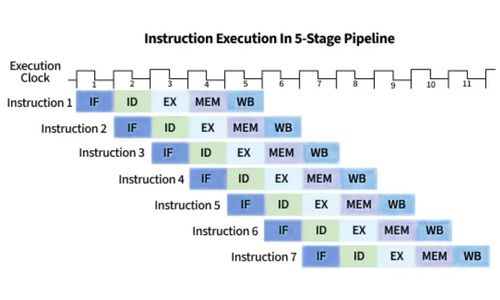
Instruction Pipeline में instruction execution को overlapping stages में रखा जाता है। इसका मतलब है, कि एक instruction fetch, दूसरा decode और तीसरा execute stage में simultaneously हो सकता है।
Pipeline Stages
सामान्यतः Instruction Pipeline को 4 या 5 stages में divide किया जाता है।
1. Instruction Fetch (IF)
- इस stage में CPU main memory (RAM) से instruction को fetch करता है।
- उदाहरण : ADD R1, R2
2. Instruction Decode (ID)
- इस stage में CPU instruction को decode या समझता है, कि कौन-सा operation करना है और किन registers या data की आवश्यकता है।
- उदाहरण :
- ADD operation perform करना है
- R1 और R2 registers का उपयोग करना है
3. Execute (EX)
- इस stage में CPU actual operation perform करता है।
- उदाहरण : R1 + R2 का addition।
4. Memory Access (MEM)
- अगर instruction को memory access करना हो (data read या write करना हो) तो इस stage में memory operation perform किया जाता है।
5. Write Back (WB)
- इस अंतिम stage में result को register या memory में store किया जाता है।
- उदाहरण : Addition का result register में store हो जाता है।
Example (सरल उदाहरण)
मान लीजिए CPU को तीन instructions execute करनी हैं :
- I1
- I2
- I3
और pipeline में तीन stages हैं :
- Fetch
- Decode
- Execute
Clock Cycle | Fetch | Decode | Execute |
1 | I1 | – | – |
2 | I2 | I1 | – |
3 | I3 | I2 | I1 |
4 | – | I3 | I2 |
5 | – | – | I3 |
इस process में :
- जब I1 execute हो रही होती है,
- उसी समय I2 decode हो रही होती है,
- और I3 fetch हो रही होती है।
इस तरह CPU एक साथ कई instructions पर काम करता है, जिससे processing speed बढ़ जाती है।
Need of Pipelining (पाइपलाइनिंग की आवश्यकता)
- Faster Instruction Execution
- CPU को हर instruction execute करने में समय लगता है। अगर instructions sequentially execute हों, तो CPU का बहुत सारा time idle waste होता है।
- Better CPU Utilization
- CPU के अलग-अलग units जैसे ALU, Registers, Memory Unit अगर sequential processing में idle रह जाते हैं, तो hardware resources waste होते हैं।
- Pipelining में ये units एक साथ काम करते हैं, CPU की efficiency बढ़ती है।
- Higher Throughput
- Throughput का मतलब है, कि unit time में कितने instructions execute हुए।
- Sequential execution → low throughput
- Pipelined execution → high throughput
- Throughput का मतलब है, कि unit time में कितने instructions execute हुए।
- Essential for Modern Processor Design
- आज के Intel, AMD, ARM processors में deep pipelining होती है।
- High-speed gaming, AI applications, video processing, and scientific computing बिना pipelining के practical नहीं होते।
- Supports Parallel Processing
- Pipelining CPU को Instruction Level Parallelism (ILP) implement करने में मदद करता है।
- Matlab एक समय में कई instructions के stages simultaneously process होते हैं।
- Scientific computing, Space programs (ISRO), और Data Centers में यह बहुत उपयोगी है।
- Pipelining CPU को Instruction Level Parallelism (ILP) implement करने में मदद करता है।
Characteristics of Pipelining
(Pipelining की विशेषताएँ)
1. Parallel Processing (समानांतर प्रसंस्करण)
- Pipelining में multiple instructions एक ही समय में अलग–अलग stages पर process होती हैं।
- इससे CPU parallel तरीके से काम करता है, और system की speed बढ़ जाती है।
2. Increased Throughput
- Pipelining का मुख्य लाभ यह है, कि इससे CPU throughput बढ़ जाता है।
- Throughput का मतलब है, कि CPU एक निश्चित समय में कितनी instructions execute कर सकता है।
3. Efficient CPU Utilization (CPU का बेहतर उपयोग)
- Pipelining में CPU के सभी components जैसे: ALU (Arithmetic Logic Unit), Registers, Control Unit लगातार काम करते रहते हैं।
- इससे CPU idle नहीं रहता और hardware resources का efficient utilization होता है।
4. Faster Instruction Processing (तेज़ Instruction Processing)
- Pipelining की मदद से instructions की processing तेज़ हो जाती है।
- हालाँकि एक single instruction को execute होने में वही समय लग सकता है, लेकिन multiple instructions एक साथ process होने के कारण overall execution speed बढ़ जाती है।
5. Stage Division (Stages में विभाजन)
- Pipelining में instruction cycle को छोटे–छोटे stages में divide किया जाता है, जैसे :
- Instruction Fetch
- Instruction Decode
- Execute
- Memory Access
- Write Back
- इन stages में instructions sequential रूप से process होती हैं, जिससे execution process अधिक organized और efficient बन जाता है।
Types of Pipelining (Pipelining के प्रकार)
Computer Architecture में Pipelining को मुख्य रूप से दो प्रकारों में divide किया जाता है। इन दोनों का उद्देश्य CPU performance बढ़ाना और instruction processing को तेज़ बनाना होता है, लेकिन इनका उपयोग अलग-अलग कार्यों के लिए किया जाता है।
मुख्यतः Pipelining के दो प्रकार होते हैं :
- Instruction Pipelining
- Arithmetic Pipelining
1. Instruction Pipelining (इंस्ट्रक्शन पाइपलाइनिंग)
Instruction Pipelining वह technique है, जिसमें CPU instruction execution process को कई stages में divide करता है, ताकि multiple instructions एक ही समय में different stages में process हो सकें।
इस method में जब एक instruction execute stage में होती है, उसी समय दूसरी instruction decode stage में और तीसरी instruction fetch stage में होती है। इससे CPU लगातार काम करता रहता है, और processing speed बढ़ जाती है।
Instruction Pipeline के मुख्य Stages
आमतौर पर instruction pipeline में ये stages होती हैं :
- Instruction Fetch (IF) – Memory से instruction को लाना
- Instruction Decode (ID) – Instruction को समझना
- Execute (EX) – Operation perform करना
- Memory Access (MEM) – Memory से data read या write करना
- Write Back (WB) – Result को register में store करना
2. Arithmetic Pipelining (अंकगणितीय पाइपलाइनिंग)
Arithmetic Pipelining का उपयोग complex mathematical calculations को तेज़ी से perform करने के लिए किया जाता है। इसमें arithmetic operations को कई stages में divide किया जाता है।
यह technique विशेष रूप से scientific calculations, graphics processing, signal processing, और supercomputers में उपयोग की जाती है।
Arithmetic Pipeline का Working Idea
किसी complex arithmetic operation को कई steps में divide किया जाता है, जैसे :
- Data Fetch
- Operand Alignment
- Calculation (Addition / Multiplication आदि)
- Result Normalization
- Result Storage
हर stage अलग-अलग data पर काम करती है, जिससे calculations तेज़ हो जाती हैं।
Example : मान लीजिए processor को कई floating-point addition operations करने हैं।
Arithmetic pipelining में :
- पहला data calculation stage में होगा
- दूसरा data preparation stage में होगा
- तीसरा data fetch stage में होगा
इस तरह multiple calculations parallel तरीके से process होती हैं।
Pipeline Hazards (पाइपलाइन में Problems)
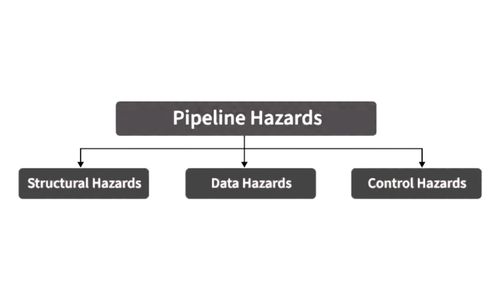
Pipeline Hazards वे समस्याएँ हैं जो CPU की pipelining efficiency को affect करती हैं। Pipelining CPU performance बढ़ाती है, लेकिन कभी-कभी कुछ situations में instructions properly execute नहीं हो पाती। इन्हें Pipeline Hazards कहा जाता है।
Pipeline hazards मुख्यतः तीन types के होते हैं :
1. Structural Hazard (स्ट्रक्चरल हज़ार्ड)
यह तब होता है, जब hardware resources पर्याप्त नहीं होते और एक ही समय में दो या दो से अधिक instructions same resource use करना चाहती हैं।
Example :
- CPU में सिर्फ एक memory unit है।
- Instruction 1 और Instruction 2 दोनों same memory access करना चाहते हैं।
- Result → Delay या Stall
Solution :
- Hardware resources increase करना (जैसे separate instruction & data memory)
- Multi-port memory use करना
2. Data Hazard (डेटा हज़ार्ड)
यह तब होता है जब एक instruction का result दूसरे instruction पर depend करता है।
Example :
Instruction 1: ADD R1, R2 → Result in R3
Instruction 2: SUB R4, R3
- Instruction 2 को Instruction 1 का result चाहिए।
- अगर result अभी ready नहीं है → CPU को wait करना पड़ेगा।
Solution :
- Forwarding / Bypassing : CPU intermediate result directly next stage में भेजे।
- Pipeline Stall : कुछ clock cycles के लिए pipeline temporarily रोकना।
3. Control Hazard (कंट्रोल हज़ार्ड)
यह तब होता है, जब branch instructions या jump instructions के कारण CPU को पता नहीं होता कि next instruction कौन सा execute होगा।
Example :
IF R1 > R2
GOTO LABEL
ELSE
CONTINUE
- CPU अगले instruction को fetch करने से पहले branch decision का wait करता है।
Solution :
- Branch Prediction : CPU अनुमान लगाता है कि branch कहाँ जाएगा।
- Delayed Branching : कुछ instructions को pipeline में branch decision तक insert किया जाता है।
Advantages of Pipelining (लाभ)
- Faster Processing
- Multiple instructions simultaneously execute होती हैं।
- CPU idle time कम होता है।
- Increased Throughput
- एक निश्चित समय में ज्यादा instructions execute होती हैं।
- Programs जल्दी complete होते हैं।
- Efficient CPU Utilization
- CPU के सभी components जैसे ALU, Registers, Control Unit लगातार काम करते हैं।
- Improved System Performance
- Overall processing speed बढ़ती है।
- Large applications जैसे AI, Graphics, Gaming तेज़ चलती हैं।
- Overlapping of Instructions
- हर stage अलग instruction पर काम करती है।
- Assembly line जैसी continuous flow होती है।
Disadvantages of Pipelining (हानि)
- Pipeline Hazards
- जब instructions के बीच dependency या conflicts होते हैं।
- Branching instructions pipeline को temporarily रोक सकती हैं।
- Complex Design
- Pipeline hardware और control logic का design complicated होता है।
- Hardware Cost
- Multiple stages और registers के कारण system की cost बढ़ जाती है।
- Branching Problems
- Conditional instructions execution में delays ला सकती हैं।
- Limited Speedup for Single Instruction
- Pipeline से single instruction execution speed बढ़ती नहीं; फायदा overall program execution में होता है।
Conclusion (निष्कर्ष)
Pipelining Computer Architecture की एक महत्वपूर्ण और powerful technique है, जिसका उद्देश्य CPU की performance और instruction processing speed बढ़ाना है।
- इसमें instruction execution process को multiple stages में divide किया जाता है।
- Multiple instructions simultaneously (overlapping) process होती हैं, जिससे CPU idle time कम होता है और throughput बढ़ता है।
- Instruction Pipelining और Arithmetic Pipelining जैसे types modern processors और high-performance computing में extensively उपयोग किए जाते हैं।
- हालांकि इसके कुछ limitations हैं जैसे pipeline hazards, complex design और hardware cost, लेकिन इसके benefits इसके drawbacks से कहीं अधिक हैं।
- आज के समय में AI, Gaming, Graphics, Scientific Computing और Supercomputers में pipelining CPU efficiency और system speed के लिए essential बन चुकी है।
अक्सर पूछे जाने वाले प्रश्न (FAQ)
1. Pipelining क्या है?
- Pipelining वह technique है जिसमें CPU instructions को multiple stages में divide करके overlapping तरीके से execute करता है।
2. Pipelining का मुख्य उद्देश्य क्या है?
- CPU की performance बढ़ाना और processing speed fast करना।
3. Instruction Pipeline क्या होती है?
- Instruction Pipeline में CPU instructions को fetch, decode, execute, memory access और write back stages में process करता है।
4. Pipelining के कितने प्रकार होते हैं?
- दो मुख्य प्रकार होते हैं:
- Instruction Pipelining
- Arithmetic Pipelini
5. Pipelining के लाभ क्या हैं?
- Faster processing, Increased throughput, Efficient CPU utilization, Improved system performance, Overlapping of instructions।
6. Pipelining के नुकसान क्या हैं?
- Pipeline hazards, Complex design, High hardware cost, Branching problems, Single instruction speed limited।
7. Pipelining कहाँ उपयोग होती है?
- Modern processors (Intel, AMD, ARM), AI systems, Graphics processing, Gaming, Scientific computing, Supercomputers में।