

Addressing Modes
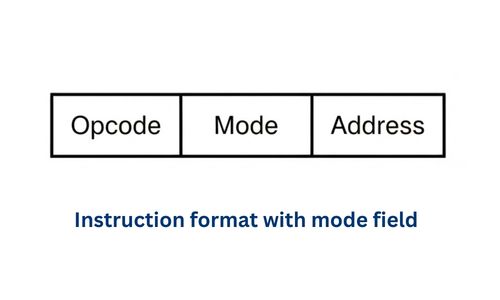
Addressing Mode वह technique या method है, जिसके द्वारा CPU यह determine करता है, कि instruction में दिए गए operand (data) को कहाँ से और कैसे access किया जाएगा।
यह CPU को यह information देता है, कि operand memory में है, register में है या instruction के अंदर ही मौजूद है।
Table of Contents
ToggleKey Points
- Addressing Mode instruction का एक महत्वपूर्ण part होता है
- यह CPU को operand locate करने में help करता है
- Different Addressing Modes से programming flexible बनती है
- Effective Address calculate करने में Addressing Mode का role होता है
- Memory access speed और instruction length Addressing Mode पर depend करती है
- Registers, Memory और Immediate data को access करने के अलग-अलग Addressing Modes होते हैं
- Computer Architecture, Microprocessor और Assembly Language में यह concept बहुत important है
Why Addressing Modes are Important? (महत्व)
- Data को सही जगह से access करने में मदद करता है
- Addressing Modes CPU को यह बताते हैं, कि operand memory, register या instruction के अंदर है। बिना Addressing Mode के CPU data locate नहीं कर पाएगा।
- Instruction Execution को fast बनाता है
- कुछ Addressing Modes (जैसे Register Addressing Mode) memory access को avoid करते हैं, जिससे execution speed काफी तेज हो जाती है।
- Programming को flexible बनाता है
- Different Addressing Modes programmer को यह freedom देते हैं कि वह data को अलग-अलग तरीकों से use कर सके।
- Memory Utilization को efficient बनाता है
- Addressing Modes की help से limited memory का बेहतर use किया जा सकता है, especially large programs में।
- Complex Instructions को आसान बनाता है
- Indexed, Indirect और Base Register Addressing Modes complex data structures (arrays, tables, pointers) को handle करना आसान बना देते हैं।
- Instruction Length को control करता है
- Different Addressing Modes instruction की length को affect करते हैं।
- Simple या short addressing mode use करने से instruction size छोटा हो जाता है।
- Compiler और Operating System के लिए जरूरी है
- Compiler सही Addressing Mode choose करके optimized machine code generate करता है।
- Operating System memory management में Addressing Modes का use करता है।
- Modern Computers और Embedded Systems में essential है
- Microprocessors, Embedded Systems, Mobile devices और even ISRO satellite systems में Addressing Modes critical role play करते हैं।
Types of Addressing Modes
(Addressing Modes के प्रकार)
1. Immediate Addressing Mode
- इस Addressing Mode में operand directly instruction के अंदर दिया होता है।
- CPU को memory या register में search करने की जरूरत नहीं होती।
- Example
MOV R1, #10
- यहाँ 10 immediate value है।
Advantages (लाभ)
- Execution बहुत fast होता है
- Memory access नहीं करना पड़ता
- Instruction simple होता है
Disadvantages (हानियाँ)
- Operand size limited होता है
- Instruction length बढ़ जाती है
2. Direct Addressing Mode
- Instruction में operand का memory address directly दिया जाता है।
- CPU उस address से data fetch करता है।
- Example
LOAD R1, 500
Advantages
- Concept simple और easy to understand होता है
- Instruction format straightforward होता है, decoding आसान रहती है
Disadvantages
- Memory access slow होता है, जिससे execution time बढ़ता है
- Address range limited होता है, large memory को directly access नहीं कर पाता
3. Indirect Addressing Mode
- Instruction में दिया address actual data का address नहीं, बल्कि address का address होता है।
- Example
LOAD R1, (500)
Advantages
- Large memory addressing possible होती है
- Flexible data access provide करता है
Disadvantages
- Extra memory access required होता है
- Execution comparatively slow हो जाता है
4. Register Addressing Mode
- Operand CPU के register में stored होता है।
- Example
ADD R1, R2
Advantages
- Fastest execution provide करता है
- No memory access required, इसलिए speed बहुत high होती है
Disadvantages
- Registers limited होते हैं, इसलिए large data store नहीं किया जा सकता
5. Register Indirect Addressing Mode
- Register में memory address stored होता है, actual data memory में होता है।
- Example
LOAD R1, (R2)
Advantages
- Pointer-based programming को support करता है
- Array handling efficient बनाता है
Disadvantages
- One extra step required होता है address calculate करने के लिए
- Register mode से slightly slower होता है
6. Indexed Addressing Mode
- इस mode में index register की value change करके sequential memory locations (जैसे array elements) को easily access किया जा सकता है।
- Example
LOAD R1, 200(R3)
यहाँ,
- 200 = Base Address
- R3 = Index Register
- Effective Address = 200 + contents of R3
Advantages (फायदे)
- Arrays और tables के लिए best addressing mode
- Loop execution आसान और efficient बनाता है
- Sequential data access में बहुत useful है
Disadvantages (नुकसान)
- Address calculation overhead होता है
- Concept slightly complex होता है beginners के लिए
7. Relative Addressing Mode
- इस mode में instruction का address current PC value के relative होता है, इसलिए program memory में कहीं भी load होने पर सही तरह execute होता है।
- Example
JUMP +20
- यहाँ CPU current PC में +20 offset add करके next instruction का address calculate करता है।
Advantages
- Position-independent code support करता है
- Loops और branching instructions के लिए बहुत useful है
Disadvantages
- Jump range limited होती है
- Beginners के लिए concept थोड़ा complex हो सकता है
8. Base Register Addressing Mode
- Base register usually program या data segment का starting address store करता है।
- Example
LOAD R1, 40(RB)
- यहाँ RB base register है और 40 displacement है।
Advantages
- Dynamic memory handling possible होती है
- Program relocation आसान बनाता है
- Large programs के लिए useful
Disadvantages
- Extra register required होता है
- Address calculation के कारण slight overhead आता है
9. Auto Increment / Auto Decrement Addressing Mode
- इस addressing mode में operand access के बाद (या पहले) register value automatically increment या decrement हो जाती है।
- Example
LOAD R1, (R2)+
- यहाँ data access के बाद R2 automatically increment हो जाता है।
Advantages
- Efficient loop execution possible होती है
- Stack operations आसान बनाता है
- Sequential data access fast होता है
Disadvantages
- Hardware complexity बढ़ती है
- Debugging थोड़ा मुश्किल हो जाता है
Advantages of Addressing Modes (लाभ)
- Flexible Data Access
- Addressing Modes CPU को यह flexibility देते हैं, कि data को register, memory या instruction itself से access किया जा सके।
- Faster Instruction Execution
- Register और Immediate Addressing Modes में memory access नहीं होता, इसलिए instruction execution काफी fast हो जाती है।
- Efficient Memory Utilization
- Different Addressing Modes की मदद से memory resources को efficiently manage किया जा सकता है, खासकर large programs में।
- Support for Complex Data Structures
- Indexed, Indirect और Base Register Addressing Modes arrays, tables, pointers और linked data structures को easily handle करते हैं।
- Reduced Instruction Count
- Auto Increment / Auto Decrement Addressing Modes loops और stack operations में instruction count कम कर देते हैं।
- Position Independent Code
- Relative Addressing Mode programs को memory में relocate करने की सुविधा देता है, जो Operating System के लिए बहुत useful है।
- Better CPU Performance
- Correct Addressing Mode selection overall CPU performance और system efficiency को improve करता है।
Disadvantages of Addressing Modes (हानियाँ)
- Increased Hardware Complexity
- Multiple Addressing Modes को support करने के लिए CPU design complex हो जाता है।
- Slow Execution in Some Modes
- Indirect और Indexed Addressing Modes में extra memory access या address calculation की जरूरत होती है, जिससे execution slow हो सकता है।
- Limited Register Availability
- Register Addressing Mode fast होता है, लेकिन registers limited होते हैं, इसलिए excessive use possible नहीं होता।
- Increased Instruction Length
- Immediate और Direct Addressing Modes में instruction size बढ़ सकता है, जिससे memory usage ज्यादा हो जाती है।
- Complex for Beginners
- Relative, Indexed और Indirect Addressing Modes beginners के लिए समझना थोड़ा difficult होते हैं।
- Debugging Difficulty
- Auto Increment/Decrement और Indirect Addressing Modes में debugging और tracing comparatively complicated हो जाती है।
Conclusion (निष्कर्ष)
Addressing Modes कंप्यूटर आर्किटेक्चर का एक महत्वपूर्ण हिस्सा हैं, जो यह निर्धारित करते हैं कि CPU किसी instruction के operand को कहाँ से और कैसे access करेगा।
- Immediate और Register Addressing जैसे modes execution को तेज़ बनाते हैं।
- Direct और Indirect Addressing से large memory और complex data structures efficiently handle होते हैं।
- Indexed, Base Register, Auto Increment/Decrement और Relative Addressing modes loops, arrays और position-independent code में बहुत useful हैं।
अक्सर पूछे जाने वाले प्रश्न (FAQ) – Addressing Modes
FAQ – Addressing Modes
Q1. Addressing Mode क्या होता है?
- यह CPU द्वारा उपयोग की जाने वाली technique है, जो operand की location और access method को determine करती है।
Q2. Immediate और Direct Addressing में क्या अंतर है?
- Immediate में operand instruction में directly stored होता है, जबकि Direct में operand memory location में stored होता है।
Q3. Register Indirect Addressing Mode क्यों use किया जाता है?
- जब operand memory में stored हो और उसका address register में हो, तो pointer-based operations efficient तरीके से perform होते हैं।
Q4. Indexed Addressing Mode कब useful है?
- Arrays, tables या sequential memory locations को access करने के लिए Indexed Addressing best है।
Q5. Relative Addressing Mode के क्या लाभ हैं?
- यह position-independent code support करता है और loops या branching instructions में बहुत useful होता है।
Q6. Auto Increment / Decrement Addressing Mode का क्या उपयोग है?
- Loops, stack operations और sequential data access को efficient और fast बनाने के लिए।
Q7. Implied (Implicit) Addressing Mode किसके लिए उपयोगी है?
- जब operand automatically assumed हो (जैसे accumulator), instruction length short करने और execution fast बनाने के लिए।