


Test Plan (Test Plan क्या है ?)
Test Plan एक formal document होता है, जिसमें यह बताया जाता है, कि किसी Software Application की Testing कैसे की जाएगी, क्या-क्या test किया जाएगा, कौन करेगा, कब करेगा और किन rules व standards के आधार पर software को pass या fail माना जाएगा।
Table of Contents
Toggleयह document पूरी Testing Strategy, Resources, Schedule, Risk और Quality Goals को clearly describe करता है।
Key Points
- यह एक master planning document होता है।
- इसमें पूरी Testing Strategy define होती है।
- Project की scope और limitation clear करता है।
- Resources, Tools और Environment की information देता है।
- Risks और Mitigation Plan पहले से mention होते हैं।
- Entry Criteria और Exit Criteria define होते हैं।
- Client और Testing Team के बीच common understanding बनाता है।
- Software की quality assurance का base document माना जाता है।
- Manual और Automation दोनों testing approaches इसमें cover होती हैं।
- Future में audit और reference के लिए use होता है।
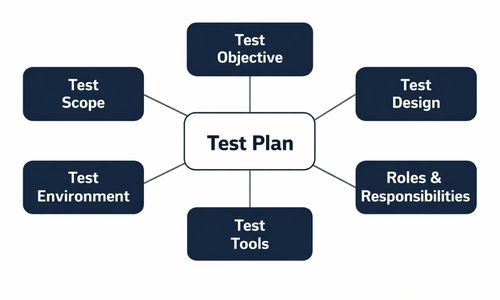
Purpose of Test Plan (उद्देश्य)
Test Plan का मुख्य उद्देश्य Software Testing को एक clear direction, proper structure और effective control देना होता है।
Test Plan के प्रमुख उद्देश्य (Objectives) निम्नलिखित हैं :
- Testing Scope Define करना
- कौन-कौन से modules, features और functions test होंगे और कौन scope के बाहर रहेंगे, यह clearly define किया जाता है।
- Testing Strategy Decide करना
- Testing Manual होगी या Automation, कौन-से Test Levels (Unit, Integration, System, UAT) और कौन-से Test Types (Functional, Performance, Security, Usability) apply होंगे, यह Decide किया जाता है।
- Resources और Responsibilities Fix करना
- Test Lead, Test Engineer, Test Case Designer और Execution करने वाले members की roles और responsibilities clear होती हैं।
- Time और Schedule Plan करना
- Testing start और end date, milestones और deliverables पहले से plan किए जाते हैं जिससे delay न हो।
- Risk Identification और Control
- Possible risks जैसे time overrun, environment issues या requirement change को identify करके उनके mitigation plan बनाए जाते हैं।
- Quality Standards Set करना
- Entry Criteria और Exit Criteria के माध्यम से यह decide किया जाता है, कि Software को कब “tested and acceptable” माना जाएगा।
- Client और Management को Clear Visibility देना
- Test Plan एक common reference document की तरह काम करता है, जिससे सभी stakeholders को testing process, scope और progress की पूरी clarity मिलती है।
Major Components of Test Plan (प्रमुख घटक)
S.No. | Component Name | Detailed Description |
1 | Test Plan Identifier | इसमें Test Plan का unique name, ID, version number और date mention होती है ताकि document को easily track और control किया जा सके। |
2 | Introduction | Project का overview, software का purpose, और इस Test Plan का objective explain किया जाता है कि testing क्यों और कैसे की जा रही है। |
3 | Test Items | उन सभी modules, features या components की list जिन्हें test किया जाएगा, जैसे Login, Payment, Report Module आदि। |
4 | Features to be Tested | Functional और Non-Functional requirements जो testing scope में आते हैं, जैसे performance, security, usability आदि। |
5 | Features Not to be Tested | वे features जो इस release में test नहीं होंगे, जैसे third-party tools के internal functions। |
6 | Test Approach / Strategy | Testing methodology (Manual/Automation), Test Levels (Unit, Integration, System, UAT) और Test Types (Functional, Performance, Security) define किए जाते हैं। |
7 | Entry Criteria | वे conditions जिनके पूरा होने पर testing start की जा सकती है, जैसे approved requirements, ready build, test environment setup। |
8 | Exit Criteria | वे conditions जिनके पूरा होने पर testing complete मानी जाती है, जैसे critical bugs fixed, test cases pass, client sign-off। |
9 | Test Environment | Hardware, Software, OS, Browser, Database, Network और Tools की complete details। |
10 | Test Design Techniques | Test Case बनाने की techniques जैसे Black Box, White Box, Boundary Value Analysis, Equivalence Partitioning। |
11 | Roles & Responsibilities | Testing Team के हर member की role definition – Test Manager, Test Lead, Tester, Automation Engineer। |
12 | Schedule & Milestones | Testing phases की timeline, start-end dates, review meetings और delivery dates। |
13 | Risk & Mitigation Plan | Possible risks (delay, resource shortage, environment issue) और उनके preventive actions। |
14 | Defect Management Process | Bug reporting, severity/priority, tracking tools (JIRA, Bugzilla) और resolution workflow। |
15 | Deliverables | Testing से मिलने वाले final outputs – Test Plan, Test Cases, Test Scripts, Defect Reports, Test Summary Report। |
Benefits of Test Plan (फायदे)
- Clear Direction is provided : Testing किस order में होगी, कौन-सा module पहले test होगा और किस level तक testing करनी है, सब कुछ पहले से defined रहता है।
- Confusion and miscommunication are reduced : Developer, Tester, Manager और Client सभी के लिए expectations clear हो जाती हैं।
- Time and cost are saved : Proper planning से rework कम होता है, unnecessary testing avoid होती है और project delay नहीं होता।
- Risks are identified in advance : High-risk areas (Payment, Security, Performance) पहले से mark हो जाते हैं, जिससे major failures avoid किए जा सकते हैं।
- Quality standards are set : Entry और Exit Criteria के through यह Decide होता है कि software कब “quality passed” माना जाएगा।
- Resource utilization is improved : सही व्यक्ति को सही काम assign होता है – Manual Tester, Automation Engineer, Performance Tester आदि।
- Tracking testing progress becomes easier : Milestones और schedule की वजह से management आसानी से status monitor कर सकता है।
- Client trust increases : जब client को structured Test Plan दिखता है, तो उसे confidence होता है कि product professionally test किया जा रहा है।
- Useful for future reference : Next version या similar project में वही Test Plan base Use किया जा सकता है |
Conclusion (निष्कर्ष)
Test Plan का मुख्य Purpose यह सुनिश्चित करना होता है, कि Software Testing पूरी तरह planned, systematic और controlled तरीके से, बिना किसी confusion के की जाए। यह document testing team के लिए एक roadmap की तरह होता है, जिससे सभी को clearly पता रहता है कि क्या test करना है, कैसे करना है और किस समय तक करना है।
एक effective Test Plan
- Testing activities को सही direction देता है
- Scope, Strategy और Team की Responsibilities को clear करता है
- Time, Cost और Resources के बेहतर management में मदद करता है
- Possible Risks को पहले से identify करके failure की chances कम करता है
- Quality Standards और Acceptance Criteria set करता है
इस प्रकार, Test Plan का उद्देश्य केवल testing शुरू करना नहीं, बल्कि एक high-quality, reliable और user-satisfaction वाला software successfully deliver करना होता है।
FAQ (Frequently Asked Questions)
FAQ (Frequently Asked Questions)
Q1. Test Plan क्या होता है?
- Test Plan एक document है, जो Software Testing की strategy, scope, resources और schedule को define करता है।
Q2. Test Plan कौन तैयार करता है?
- Usually Test Manager या Test Lead Test Plan बनाता है।
Q3. Test Plan और Test Case में क्या अंतर है?
- Test Plan “क्या और कैसे test करना है” बताता है, जबकि Test Case “step by step कैसे test करना है” बताता है।
Q4. क्या Agile Project में भी Test Plan होता है?
- हाँ, Agile में भी Test Plan होता है, लेकिन वह short और sprint-based होता है।
Q5. Test Plan कब बनाया जाता है?
- Requirement Analysis के बाद और Testing शुरू होने से पहले।
Q6. क्या Test Plan change हो सकता है?
- हाँ, Requirement या Scope बदलने पर Test Plan को update किया जा सकता है।
Q7. Test Plan का सबसे important part कौन सा है?
- Test Strategy, Scope और Entry–Exit Criteria सबसे critical parts माने जाते हैं।