
Lower Bound Theory
Lower Bound Theory एक ऐसा सिद्धांत (Theory) है, जो ये बताता है, कि किसी Algorithm या Problem को solve करने के लिए Minimum कितने resources या steps चाहिए।
यह theory हमें बताती है कि किसी problem के लिए कोई भी algorithm कितना तेज या efficient हो सकता है – इससे Fast solution असंभव है।
Table of Contents
ToggleKey Points
- Lower Bound बताता है, किसी problem को solve करने के लिए minimum steps / operations कितने चाहिए।
- यह algorithm-independent होता है, और केवल problem की nature पर आधारित होता है।
- Lower Bound को Big-Omega (Ω) notation से represent किया जाता है।
- यह algorithm की best possible performance तय करता है।
- Sorting और Searching जैसी problems में theoretical minimum limit दिखाता है।
- यह problem complexity classification में मदद करता है।
- Lower Bound और Upper Bound अलग हैं : Lower Bound = minimum, Upper Bound = maximum।
- Real-life applications में database, search engines और AI optimization में useful है।
Lower Bound Notation – Ω (Omega Notation)
Lower Bound को mathematically Omega (Ω) notation से represent किया जाता है।
यदि कोई function T(n) किसी constant c और n₀ के लिए यह condition satisfy करता है:
T(n) ≥ c × f(n) for all n ≥ n₀
तो हम कहते हैं :
T(n) = Ω(f(n))
Ω(f(n)) यह बताता है, कि कोई भी algorithm Minimum Time Requirement होगा , इससे कम time में problem को solve करना theoretically possible नहीं है।
Main Purposes (उद्देश्य)
1. Algorithm की Optimality तय करना
- Lower Bound हमें बताता है कि कोई algorithm theoretically सबसे fast है या नहीं।
2. Performance Prediction
- यह theoretical limit हमें बताती है, कि किसी problem को solve करने में कितना समय या steps लग सकते हैं।
3. Research और Algorithm Design में Guidance देना
- Lower Bound हमें बताता है, कि algorithm में कहाँ तक optimization possible है, और कौन सी improvements असंभव हैं।
- इससे researchers और developers अपने focus को practical improvements पर रख सकते हैं।
4. Complexity Classification में मदद करना
- Lower Bound problem की difficulty और computational class तय करने में मदद करता है।
5. Real-life Applications Optimize करना
- Database queries, search engines, AI, network routing, और real-time systems में fastest possible solution design करने में मदद करता है।
Why is Lower Bound Theory important?
(Lower Bound Theory क्यों महत्वपूर्ण है?)
- To determine performance limits
- Lower Bound हमें बताता है, कि किसी problem के लिए best possible performance क्या हो सकती है।
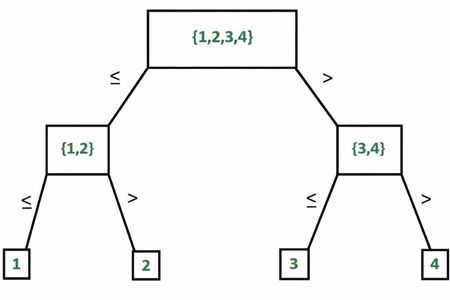
- Example : Sorting में Comparison-based algorithms का Lower Bound = O(n log n)
- Helps in algorithm optimization
- यदि कोई algorithm Lower Bound के पास काम कर रहा है, तो इसका मतलब है कि algorithm लगभग optimal है।
- Example : Merge Sort का time complexity = O(n log n), जो Lower Bound के बराबर है।
- Direction in Research and Development
- Lower Bound theory theoretical research और roadmap में मदद करती है।
- यह बताती है, कि कौन से problems पर focus करना meaningful है।
- यह guide करती है, कि कौन सी approaches promising हैं।
- यह दिखाती है, कि किन areas में breakthroughs संभव हैं।
- Lower Bound theory theoretical research और roadmap में मदद करती है।
- Understanding Problem Complexity
- Lower Bound theory हमें यह समझने में मदद करती है, कि problem inherently कितना complex है।
- कुछ problems naturally कठिन होते हैं।
- उन्हें बहुत जल्दी solve करना theoretically impossible होता है।
Applications of Lower Bound Theory (अनुप्रयोग)
1. Algorithm Design and Analysis
- Lower Bound Theory का सबसे बड़ा use Algorithm Design में होता है। जब कोई नया algorithm design किया जाता है, तो Lower Bound यह बताता है :
- क्या algorithm already optimal है?
- क्या इसे और fast बनाया जा सकता है या नहीं?
2. Optimization Decision
- Lower Bound programmers और researchers को यह decide करने में मदद करता है, कि :
Optimization करना worth it है, या नहीं
3. Comparison-Based Problems (Sorting, Searching)
- Lower Bound Theory comparison-based problems में बहुत use होती है।
- Sorting
- Lower Bound = Ω(n log n)
- Applies to :
- Bubble Sort
- Selection Sort
- Merge Sort
- Quick Sort
4. Data Structures Selection
- Lower Bound Theory यह decide करने में Help करती है, कि :
- कौन-सा Data Structure use करना सही रहेगा
5. Database Systems & Query Optimization
- Database systems में Lower Bound बहुत important role play करता है।
- Example : SELECT * FROM student WHERE roll_no = 101;
- Without Index → Lower Bound = Ω(n) (full table scan)
- With Index → Lower Bound = Ω(log n)
6. Network and Graph Problems
- Graph algorithms में Lower Bound theory बहुत common है।
- Applications :
- Shortest Path Algorithms
- Minimum Spanning Tree
- Network Routing
Advantages of Lower Bound Theory (लाभ)
1. Minimum Time Guarantee
- यह guarantee देती है, कि problem को solve करने में कम से कम इतना time तो लगेगा ही।
- Unrealistic expectations से बचाती है।
2. Optimal Algorithm पहचानने में मदद
अगर algorithm की complexity lower bound के बराबर है, तो algorithm optimal माना जाता है।
3. Unnecessary Optimization से बचाव
जब lower bound पता हो, impossible optimization करने में time waste नहीं होता।
4. Algorithm Comparison आसान
- Different algorithms को compare करना आसान हो जाता है।
- Clear understanding मिलती है कि कौन सा algorithm best possible है।
5. Research & Design में Help
- New algorithm design करते समय lower bound guide का काम करता है।
- Computer Science research में यह एक base theoretical concept है
Limitations of Lower Bound Theory (सीमाएँ)
1. Exact Time नहीं बताती
- Lower Bound केवल minimum limit बताती है।
- यह algorithm का exact running time या actual complexity नहीं बताती।
- केवल यह बताती है कि इससे कम time possible नहीं है।
2. Practical Implementation को Ignore करती है
- Lower Bound theory theoretical model पर based होती है।
- Hardware, cache memory, compiler optimization को consider नहीं करती। इसलिए real-world performance अलग हो सकती है।
3. Model-Dependent होती है
- Lower Bound computation model पर depend करती है। जैसे : Comparison-based model
- RAM model, Decision tree model आदि Model बदलने पर Lower Bound भी बदल सकती है।
4. Proof Difficult हो सकता है
- Non-trivial problems के लिए Lower Bound prove करना Mathematically complex होता है,
- Beginners के लिए समझना tough हो सकता है
5. Algorithm-Specific नहीं होती
- Lower Bound problem-specific होती है, algorithm-specific नहीं।
यह किसी particular algorithm के exact behavior को directly explain नहीं करती।
6. NP-Hard Problems में Limited Use
- NP-Hard problems के लिए Exact Lower Bound निकालना बहुत Difficult होता है
- केवल approximate या exponential bounds ही मिलते हैं
Lower Bound vs Upper Bound vs Tight Bound
| Bound Type | Notation | Meaning |
|---|---|---|
| Upper Bound | O(f(n)) | Maximum time |
| Lower Bound | Ω(f(n)) | Minimum time |
| Tight Bound | Θ(f(n)) | Exact time (Upper + Lower both) |
Lower Bound vs Upper Bound (Difference Table)
| Basis | Lower Bound (Ω) | Upper Bound (O) |
|---|---|---|
| Basic Meaning | Problem को solve करने के लिए minimum possible time / resources | Algorithm द्वारा लिया जाने वाला maximum possible time / resources |
| Represent | Best possible performance limit | Worst-case performance limit |
| Guarantee | Algorithm इससे कम time में काम नहीं कर सकता | Algorithm इससे ज़्यादा time नहीं लेगा |
| Nature | Problem-centric (problem की difficulty बताता है) | Algorithm-centric (algorithm का behavior बताता है) |
| Optimization Role | यह बताता है कि further optimization possible है या नहीं | यह बताता है कि algorithm safe और acceptable है या नहीं |
| Mathematical Notation | Omega (Ω) notation | Big-O (O) notation |
| Exact Time | Exact running time नहीं बताता | Exact running time नहीं बताता |
| Practical Use | Theoretical analysis और optimality check | Practical algorithm analysis और implementation |
| Model Dependency | Computation model पर depend करता है | Input size और algorithm design पर depend करता है |
| When Useful | Algorithm design और research stage में | Algorithm analysis और comparison में |
| Example (Sorting) | Ω(n log n) | O(n log n) |
| Conclusion | इससे तेज़ algorithm possible नहीं | इससे slow algorithm acceptable नहीं |