
Code Inspection क्या है?
Code Inspection एक formal और structured process है, जिसमें software developers या team members source code को ध्यान से पढ़ते हैं, ताकि उसमें मौजूद bugs, logic errors, design flaws, coding standard violations आदि को early stage में detect किया जा सके।
Table of Contents
Toggleइसे “peer review of code” भी कहा जाता है, लेकिन यह सिर्फ casual review नहीं, बल्कि structured, documented, और goal-oriented process होता है।
Key Points
- Random check नहीं होता, बल्कि predefined steps और rules के अनुसार काम किया जाता है।
- Code को compile/run करने से पहले ही bugs, logical errors और design flaws पकड़ लिए जाते हैं।
- Code readable, maintainable और standard-compliant बनता है।
- Defects, comments और suggestions को systematically record किया जाता है।
- Junior developers दूसरों का code पढ़कर सीखने का अवसर पाते हैं।
- Early bug detection से बाद के stages में expensive fixes कम हो जाते हैं।
Code Inspection क्यों ज़रूरी है ?
Code Inspection software development का एक बहुत ही महत्वपूर्ण step है। इसके बिना project में bugs, logic errors और design flaws समय पर नहीं पकड़े जा सकते। इससे software quality, user experience, और project cost पर negative impact पड़ सकता है।
- Early Defect Detection
- Code execution से पहले ही errors identify हो जाते हैं।
- Later phases में fixing cost कम हो जाती है।
- Better Code Quality
- Code readable, reusable और maintainable बनता है।
- Knowledge Sharing
- Developers एक दूसरे के code को पढ़ते हैं, सीखने का अवसर मिलता है।
- Best practices टीम में share होती हैं।
- Reduced Testing Effort
- Low-level bugs पहले ही detect हो जाते हैं।
- Testers ज्यादा focus कर सकते हैं feature और performance testing पर।
- Cost and Time Saving
- Early phase में bugs fix करना late-stage fixes से काफी सस्ता और आसान होता है।
- Research के अनुसार, late-stage bug fixes की cost exponentially बढ़ जाती है।
- Documentation Improvement
- Inspection के दौरान code और design documentation check होते हैं।
- Comments और notes properly maintain होते हैं।
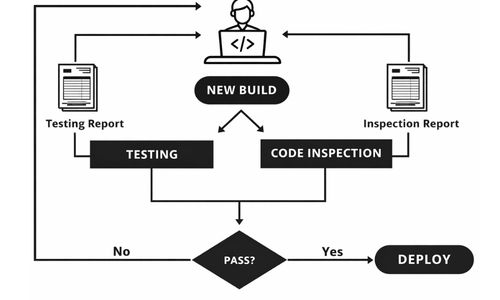
Code Inspection Process
Step 1: Planning
- Inspection शुरू करने से पहले planning phase होती है।
- इसमें तय होता है :
- कौन सा module/code inspect होगा।
- कौन-कौन reviewers और moderator होंगे।
- Inspection meeting कब होगी।
- Checklist तैयार की जाती है।
Step 2: Overview Meeting
- Code author टीम को code का overview देता है।
- Discuss होता है :
- Code का purpose
- Logic और design constraints
- Key modules और flow
- इससे reviewers को context समझ में आता है, और defects identify करना आसान हो जाता है।
Step 3: Individual Code Reading
- हर reviewer code को individually पढ़ता है।
- Defects और possible improvements notes में लिखे जाते हैं।
Step 4: Inspection Meeting
- Team formal meeting में मिलती है।
- Discuss किए जाते हैं :
- Identified defects
- Severity (High/Medium/Low)
- Priority (Immediate/Normal)
- Decisions होते हैं :
- कौन सा defect fix होगा
- कौन responsibility लेगा
Step 5: Rework by Author
- Code author सभी identified defects fix करता है।
- Fix करने के बाद revised code reviewers को भेजा जाता है।
- यह step quality assurance के लिए जरूरी है।
Step 6: Follow-up
- Moderator ensure करता है कि सभी defects properly fix हो गए हैं।
- Final documentation update होती है :
- Defects list
- Fix status
- Lessons learned
Code Inspection in Agile and DevOps
1. Code Inspection in Agile
Agile software development में short iterations (sprints) होते हैं। इसलिए traditional multi-hour inspection meetings हर module के लिए practical नहीं हैं।
- Pull Request Reviews (PR Reviews)
- जब कोई developer code push करता है, तो Pull Request (PR) बनता है।
- Team के reviewers PR check करते हैं, और defects या improvements identify करते हैं।
- Pair Programming
- दो developers साथ में code लिखते हैं।
- Real-time inspection होती है और defects तुरंत पकड़ लिए जाते हैं।
- Sprint Code Review Meetings
- Short iterations में छोटे code portions पर focused discussion होती है।
- Checklist lightweight और concise होती है, जिससे जल्दी और efficiently check किया जा सकता है।
2. Code Inspection in DevOps
DevOps में continuous integration (CI) और continuous delivery (CD) pipelines होती हैं। Code inspection को automated और manual दोनों तरीकों से integrate किया जाता है।
- Automated Static Code Analysis
- Tools जैसे SonarQube, ESLint, Checkstyle का उपयोग किया जाता है।
- ये tools syntax errors, security vulnerabilities, और code quality issues को automatically detect करते हैं।
- Peer Review in CI Pipeline
- Code merge करने से पहले reviewer की approval mandatory होती है।
- Automated tests के साथ manual inspection का combination defects को जल्दी पकड़ने में मदद करता है।
- Continuous Feedback
- Defects pipeline में early stage पर detect होते हैं।
- Developers को immediate notification मिलता है ताकि वे तुरंत fix कर सकें।
Benefits of Code Inspection (लाभ)
- Improved Software Quality
- Code inspection से readable, maintainable और clean code मिलता है।
- Software reliability और performance बेहतर होती है।
- Early Defect Detection
- Bugs जल्दी detect होते हैं।
- Costly fixes और production issues avoid होते हैं।
- Knowledge Sharing
- Junior developers senior developers से सीखते हैं।
- Team का overall skill level improve होता है।
- Standards Enforcement
- Coding guidelines, security और best practices follow होते हैं।
- Code consistency और maintainability बढ़ती है।
- Process Improvement
- Common mistakes identify होते हैं।
- Future projects में quality और efficiency improve होती है।
Challenges of Code Inspection (चुनौतियां)
- Time-consuming
- Large code inspection में बहुत समय लगता है।
- Especially big projects में पूरे module या system को inspect करना tedious हो सकता है।
- Developer Resistance
- Ego या defensive behavior की वजह से feedback accept करना मुश्किल हो जाता है।
- कभी-कभी developers suggestions को personal criticism मान लेते हैं।
- Need Skilled Moderators
- Effective inspection के लिए experienced moderators होना जरूरी है।
- Moderators defects identify करना, discussions manage करना और consensus बनाना handle करते हैं।
- Complex Coordination
- Large projects में multiple modules और teams को coordinate करना challenging होता है।
- Scheduling, communication और follow-up सही तरह से manage करना मुश्किल होता है।
- Maintaining Documentation
- Defect logs और reports को consistently maintain करना challenging है।
- Without proper documentation, defects track करना और future improvements करना मुश्किल हो सकता है।
- Potential Overhead
- Extra meetings, logging और follow-ups additional effort demand करते हैं।
- कभी-कभी inspection process actual development speed को slow कर देता है।
Conclusion (निष्कर्ष)
Code Inspection एक structured, effective और powerful method है जो software quality को बेहतर बनाता है। यह सिर्फ bugs ढूँढने का तरीका नहीं, बल्कि learning और team coordination का जरिया भी है। Real world systems जैसे IRCTC, Flipkart, Banking, ERP आदि में code inspection से reliability increase होती है, cost कम होती है और future maintenance आसान होता है।
यदि आप Software Developer, Tester या Team Lead हैं, तो इसे अपने workflow में शामिल करना चाहिए ताकि project की quality और efficiency दोनों बेहतर हो सके।
FAQ (Frequently Asked Questions)
Q1. Code Inspection और Code Review में क्या अंतर है?
- Inspection ज़्यादा formal और structured होता है, जबकि Review relatively informal feedback होता है।
Q2. क्या Code Inspection Automated हो सकती है?
- कुछ parts automated tool से हो सकते हैं, लेकिन human judgment ज़रूरी है।
Q3. Code Inspection कितनी बार करनी चाहिए?
- हर major module complete होने के बाद या sprint end में।
Q4. क्या Inspection से Bugs 100% हट सकते हैं?
- नहीं, लेकिन यह defects को बहुत early stage में पकड़ने में मदद करता है, जिससे costly errors prevent होते हैं।
Q5. Inspection के लिए best tools कौन से हैं?
- GitHub/GitLab Merge Requests, Crucible, Phabricator, SonarQube जैसी tools काफी popular और effective हैं।
Q6. क्या सिर्फ Testing से code quality बेहतर नहीं होती?
- Testing important है, लेकिन Inspection से early stage में issues catch होते हैं, जिससे overall quality और cost saving होती है।
Q7. Code Inspection Team में कौन शामिल होना चाहिए?
- Author, Moderator, Inspector(s) और Recorder।