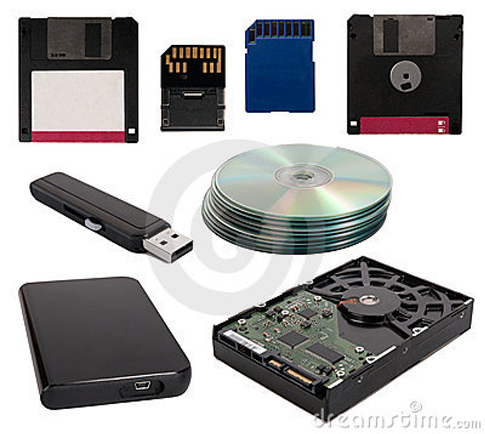


Software Architectural Design
(Architectural Design क्या है?)
Software Architectural Design वह process है, जिसमें पूरे software system की high-level structure तैयार की जाती है। इसमें यह decide किया जाता है, कि system को किन-किन major components / modules में divide किया जाएगा, ये components आपस में कैसे interact (communicate) करेंगे, data flow कैसे होगा और कौन सा component किस responsibility को handle करेगा।
Table of Contents
Toggleसरल शब्दों में – Architectural Design software का blueprint होता है, जैसे किसी building का नक्शा, जो पहले से यह define कर देता है कि पूरा system कैसे structured होगा।
Key Points
- High-Level Structure Define करता है
- Modules और उनके Relationships दिखाता है
- Communication Mechanism Specify करता है
- Non-Functional Requirements को Support करता है
- Technology Selection में Help करता है
- Future Growth को Support करता है
- Development Team के लिए Roadmap बनाता है
Objectives of Architectural Design
(Architectural Design के उद्देश्य)
Architectural Design का main goal यह होता है, कि पूरे software system का एक strong, clear और scalable structure तैयार किया जाए, जिससे development और future maintenance दोनों आसान हो सकें।
प्रमुख उद्देश्य
- System Structure को Clearly Define करना
- System को different logical components / modules में divide करना |
- component की role व responsibility fix करना।
- Components के बीच Clear Communication Set करना
- Components के बीच interaction, APIs, interfaces और data flow को properly define करना।
- High-Level Blueprint Provide करना
- Developers, testers और managers के लिए एक common reference model देना, जिससे सभी को system की overall picture समझ में आए।
- Quality Attributes को Achieve करना
- Performance, Security, Reliability, Scalability और Maintainability जैसी non-functional requirements को satisfy करना।
- Right Technology Selection में Support देना
- Suitable programming language, framework, database और platform choose करने में guidance देना।
- Risk को Early Stage पर Identify करना
- Design level पर ही performance bottleneck, security issues और integration problems को पहचान लेना।
- Future Growth के लिए System को Prepare करना
- System को इस तरह design करना कि आगे चलकर new features आसानी से add किए जा सकें।
- Development Cost और Time को Control करना
- Rework को minimize करना और development व maintenance cost को reduce करना।
Components of Architectural Design
(Architectural Design के मुख्य घटक)
Architectural Design में पूरे software system को कुछ मुख्य building blocks में divide किया जाता है। इन्हीं blocks को components कहा जाता है।
Components
- Modules / Components
- ये system के major parts होते हैं, जो specific functionality perform करते हैं।
- Examples :
- User Interface (UI) Module
- Business Logic Module
- Database / Data Storage Module
- Authentication & Security Module
- Connectors (Communication Links)
- ये different components को आपस में connect करते हैं, और उनके बीच data transfer कराते हैं, जैसे :
- API Calls
- Client–Server Communication
- Message Queues
- Web Services
- ये different components को आपस में connect करते हैं, और उनके बीच data transfer कराते हैं, जैसे :
- Interfaces
- Interface यह define करता है, कि एक component दूसरे component से कैसे और किन rules के अनुसार communicate करेगा, जैसे :
- Input
- Output
- Methods / Services
- Interface यह define करता है, कि एक component दूसरे component से कैसे और किन rules के अनुसार communicate करेगा, जैसे :
- Data Storage (Repositories)
- जहाँ system का data store और manage किया जाता है, जैसे :
- Database (SQL / NoSQL)
- Cloud Storage
- Files
- जहाँ system का data store और manage किया जाता है, जैसे :
- Control Flow
- यह system में execution का sequence बताता है, जैसे :
- Request कहाँ से start होगी
- Processing कहाँ होगी
- Response कहाँ से return होगा
- यह system में execution का sequence बताता है, जैसे :
- Deployment Structure
- यह बताता है, कि software किस hardware या server environment पर run करेगा, जैसे :
- Client Machine
- Application Server
- Database Server
- Cloud Platform
- यह बताता है, कि software किस hardware या server environment पर run करेगा, जैसे :
Types of Architectural Styles
(Architectural Style के प्रकार)
1. Layered Architecture (Layered Model)
Layered Architecture एक ऐसा architectural style है, जिसमें पूरे software system को अलग–अलग layers (परतों) में divide किया जाता है। हर layer की अपनी specific responsibility होती है और हर layer केवल अपने adjacent layer से ही interact करती है।
Key Points
- System को logical layers में divide किया जाता है
- हर layer का role और responsibility clearly defined होता है
- Upper layer, lower layer की services का उपयोग करती है
- किसी एक layer में changes होने पर other layers पर कम effect पड़ता है
- Maintenance और testing आसान हो जाती है
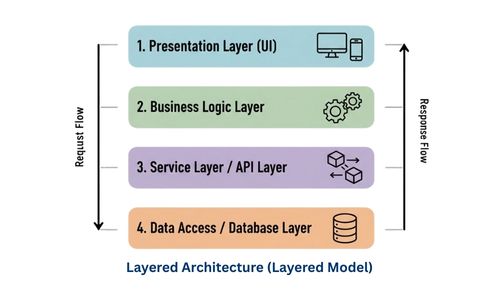
Main Layers of Layered Architecture
- Presentation Layer (UI Layer)
- User से directly interact करती है
- Input लेती है और Output दिखाती है
- Application / Business Logic Layer
- Actual processing और decision making यहीं होती है
- Rules, calculations, validations implement होते हैं
- Data Access Layer
- Database से connection और data operations handle करती है
- Insert, Update, Delete, Select operations
- Database Layer (Data Storage)
- Actual data store होता है
- Tables, Records, Files
Example – Banking Software, College management system
2. Client–Server Architecture
Client–Server Architecture एक ऐसा architectural style है, जिसमें system दो main parts में divided होता है:
- Client – जो request भेजता है
- Server – जो request process करता है और response भेजता है
Key Points
- Two-Tier या Multi-Tier Architecture में use होता है
- Client केवल request generate करता है, और data display करता है
- Server data और business logic को handle करता है
- Centralized control और data management Possible है
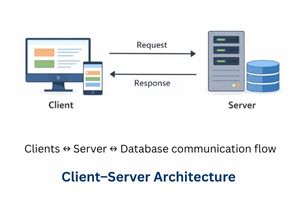
Components of Client–Server Architecture
- Client Side
- User के साथ direct interaction करता है
- Input भेजता है, और Output receive करता है
- Example : Browser, Mobile App, Desktop Application
- Server Side
- Data processing और storage handle करता है
- Business Logic को execute करता है
- Database management करता है
- Example : Web Server, Application Server, Database Server
3. Microservices Architecture
Microservices Architecture एक modern architectural style है, जिसमें बड़े software system को छोटे-छोटे independent services (modules) में divide किया जाता है।
हर service अपनी specific functionality handle करती है और एक-दूसरे से loosely coupled होती है।
Key Points
- System छोटे, independent services में divided होता है |
- हर service का अपना database और business logic होता है |
- Services API (REST / SOAP) के through communicate करती हैं |
- Independent deployment, scaling और maintenance possible है |
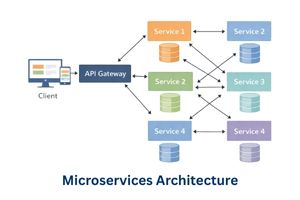
Components of Microservices Architecture :
- Services / Modules
- Example : User Service, Order Service, Payment Service, Notification Service
- API Gateway
- All client requests API Gateway से pass होते हैं
- Routing, Load Balancing, Authentication manage करता है
- Database
- हर service का separate database हो सकता है (Polyglot Persistence)
- Message Broker / Event Bus
- Services के बीच asynchronous communication enable करता है
4. Service-Oriented Architecture (SOA)
Service-Oriented Architecture (SOA) एक software architectural style है, जिसमें system को loosely coupled services के collection के रूप में design किया जाता है।
हर service एक specific functionality provide करती है, और standardized interfaces के through दूसरी services या applications के साथ communicate करती है।
Key Points
- System को reusable और independent services में divide किया जाता है
- Services loosely coupled होती हैं – एक service के change होने से अन्य services पर असर कम पड़ता है
- Standard protocols (जैसे SOAP, REST, XML, JSON) use होती हैं
- Service discovery और integration आसान होता है
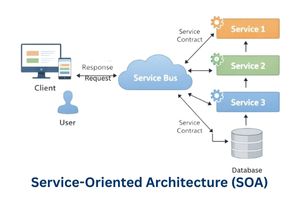
Components of SOA (Service-Oriented Architecture)
- Service Provider
- Service create करता है, और available करता है
- Example : Payment Service, Booking Service
- Service Consumer / Client
- Service को use करता है
- Example : Mobile App, Web App
- Service Registry / Broker
- Available services की list maintain करता है
- Client को required service locate करने में help करता है
- Communication Protocols
- Services के बीच data exchange और interoperability ensure करते हैं
- Example : SOAP, REST, HTTP, JMS
5. Pipe and Filter Architecture
Pipe and Filter Architecture एक ऐसा architectural style है, जिसमें data system के एक component (filter) से दूसरे component (filter) तक flow करता है।
हर filter data को process करता है और output next filter को भेज देता है।
Key Points
- System को छोटे, independent filters में divide किया जाता है
- Filters data को input लेते हैं, process करते हैं और output pass करते हैं
- Pipes filters को connect करते हैं और data flow handle करते हैं
- Filters loosely coupled होते हैं, इसलिए नया filter add करना आसान होता है
- Suitable for data processing And stream processing applications
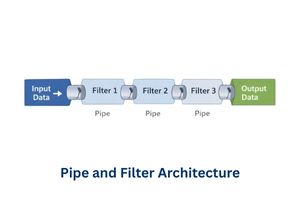
Components of Pipe and Filter Architecture :
- Filter (Processing Component)
- Data को receive, process और transform करता है
- Example : Compiler में lexical analysis, syntax analysis, optimization
- Pipe (Data Flow Connector)
- Filters के बीच data transfer करता है
- Example : Data stream, Queue, Memory buffer
6. Peer-to-Peer (P2P) Architecture
Peer-to-Peer (P2P) Architecture एक ऐसा architectural style है, जिसमें हर node network में client और server दोनों की भूमिका निभाता है।
इसमें centralized server की जरूरत नहीं होती और nodes आपस में direct communicate करते हैं।
Key Points
- हर node system में client और server दोनों होता है
- Nodes सीधे एक-दूसरे से connect होते हैं
- Resources जैसे storage, bandwidth और processing power share होते हैं
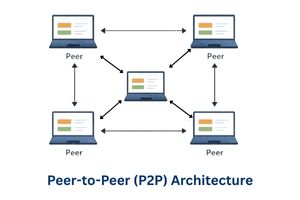
Components of Peer-to-Peer Architecture
- Peer Nodes
- Each node acts as client और server
- Example : File sharing, Processing tasks
- Network Connections
- Peers आपस में connect होते हैं
- Data और services directly exchange होती हैं
- Resource Sharing
- Storage, computation, और bandwidth share होती है
- Example : Files, Videos, Database
Challenges in Architectural Design
(सॉफ्टवेयर आर्किटेक्चरल डिज़ाइन की चुनौतियाँ)
- Ambiguous or Changing Requirements
- Requirements clear न होने या बार-बार बदलने पर design कठिन हो जाता है।
- System Complexity
- Large systems में modules और components का interaction manage करना मुश्किल होता है।
- Performance vs Maintainability Trade-off
- High performance के लिए complex design चाहिए, simple design maintainable होता है।
- Balance रखना जरूरी है।
- Integrating Legacy Systems
- Old systems को नए architecture मेंintegrate करना challenging होता है।
- Technology Selection
- सही programming language, framework और database select करना जरूरी है।
- Security and Compliance Issues
- Sensitive data protect करना और legal compliance ensure करना।
- Communication and Coordination Challenges
- Multiple teams के बीच poor communication से design flaws और delays हो सकते हैं।
- Cost and Time Constraints
- Limited budget और समय में high-quality architecture design करना मुश्किल होता है।
Conclusion (निष्कर्ष)
Software Architectural Design किसी भी software system की foundation होती है। यह system के high-level structure, components, उनके interactions और technology choices को define करती है। एक अच्छा architecture न सिर्फ development को आसान बनाता है, बल्कि system को scalable, secure, maintainable और future-ready भी बनाता है।
Layered, Client–Server, Microservices, SOA, Pipe & Filter और P2P जैसे architectural styles अलग-अलग requirements के अनुसार use किए जाते हैं। सही architectural design चुनकर हम performance issues, security risks और future rework को काफी हद तक कम कर सकते हैं। इसलिए successful software development के लिए architectural design का role बेहद महत्वपूर्ण होता है।
Important Questions (महत्वपूर्ण प्रश्न)
Q.1 Software Architectural Design क्या है?
- Software Architectural Design वह process है जिसमें पूरे software system की high-level structure तैयार की जाती है। इसमें components, उनके interactions, data flow और responsibilities define की जाती हैं।
Q.2 Architectural Design के मुख्य उद्देश्य कौन-कौन से हैं?
Architectural Design के मुख्य उद्देश्य हैं :
- Clear system structure define करना
- Components की roles और responsibilities तय करना
- Performance, security और scalability जैसी quality attributes achieve करना
- Right technology selection में help करना
- Future growth के लिए system को ready करना
Q.3 Architectural Design के मुख्य components कौन-कौन से होते हैं?
Architectural Design के प्रमुख components हैं :
- Modules / Components
- Connectors
- Interfaces
- Data Storage (Repositories)
- Control Flow
- Deployment Structure
Q.4 Layered Architecture क्या है?
- Layered Architecture एक architectural style है, जिसमें system को अलग-अलग layers में divide किया जाता है। हर layer की specific responsibility होती है और upper layer lower layer की services का उपयोग करती है।
Q.5 Microservices Architecture क्या है?
- Microservices Architecture एक modern architectural style है जिसमें system को छोटे-छोटे independent services में divide किया जाता है। हर service अपनी functionality handle करती है और APIs के through communicate करती है।